
There is fast and slow. There is hot and cold. There is up and down. There is Grant County, WA and the country of Japan. Grant County is freezing in the winter, dry and hot in the summer and full of vast, cutting edge farms: according to the 2022 USDA Consensus of Agriculture, of the County’s 334 farms, the average size was 2,379 acres with 85 farms at 1,000+ acres, and 101 farms at 50-179 acres. Japan enjoys generally more mild weather (but with the occasional typhoon or tsunami) and its farms average less than 3 hectares (8 acres), according to the International Food Policy Research Institute.
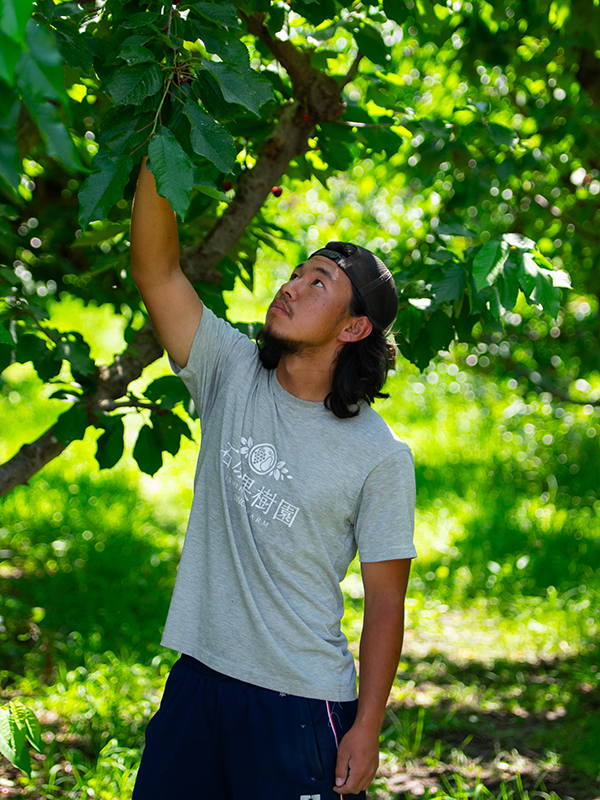
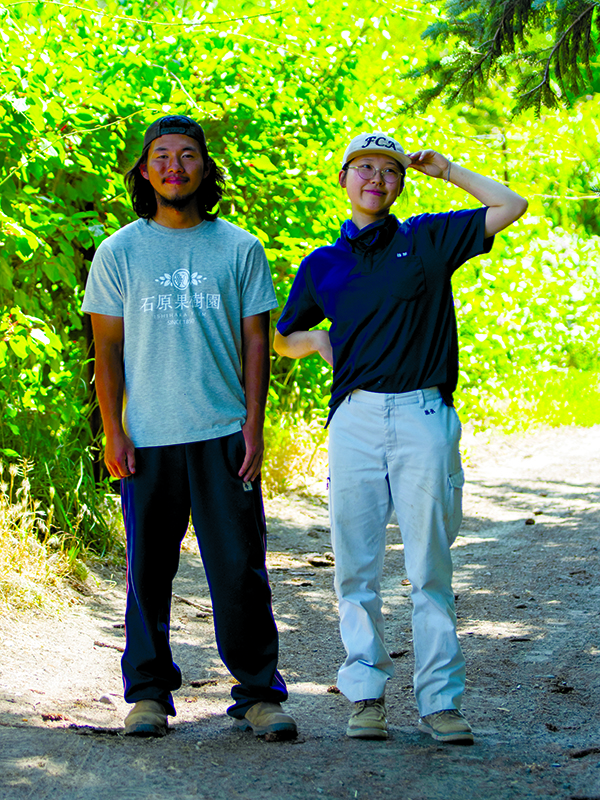
Even so, since 1966, the Japanese Agricultural Exchange Council in Japan and the Japanese Agricultural Training Program at Big Bend Community College has connected the two disparate communities. With over 5,100 trainees to date and 30 current trainees at 18 participating farms in six states (Washington, Idaho, Oregon, Minnesota, California and Hawaii), the JAEC and JATP are still going strong, according to Larry Rimple, Director of JATP at Big Bend. He said the training begins at Big Bend annually, in June, with nine weeks of agricultural courses, English and Spanish language classes, and even weekly meal planning and grocery shopping to help prepare them for the next phase of their stay. Then comes a 14 month residency at a farm related to the trainee’s interest, be it organic fruit, vegetables, dairy or coffee, to name a few. Trainees then travel to California for nine weeks at UC Davis to learn the business side of the agricultural industry, and finally conclude with a closing ceremony in Seattle before heading home to Japan. Today, two trainees, Kaoru Shinehara and Ryota Hanibuchi, are living, working and learning to farm at Tonnemaker Hill Farm near Royal City.
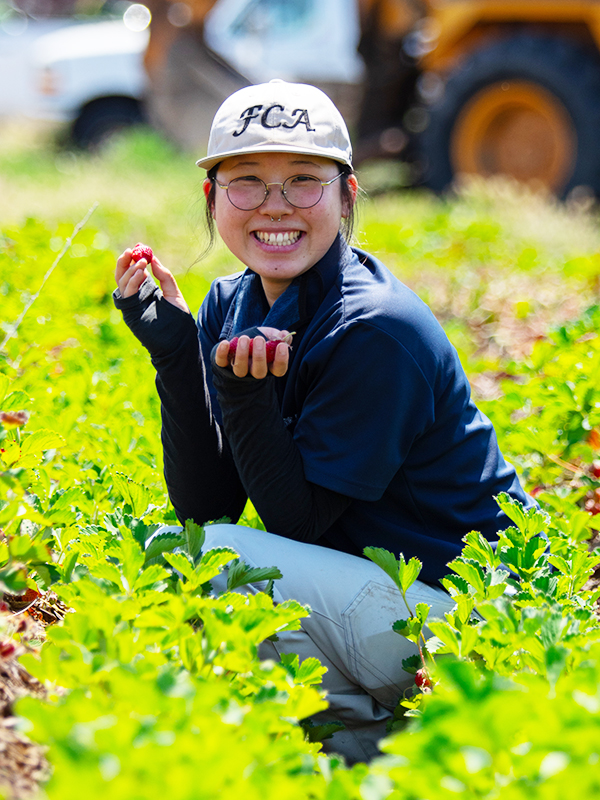
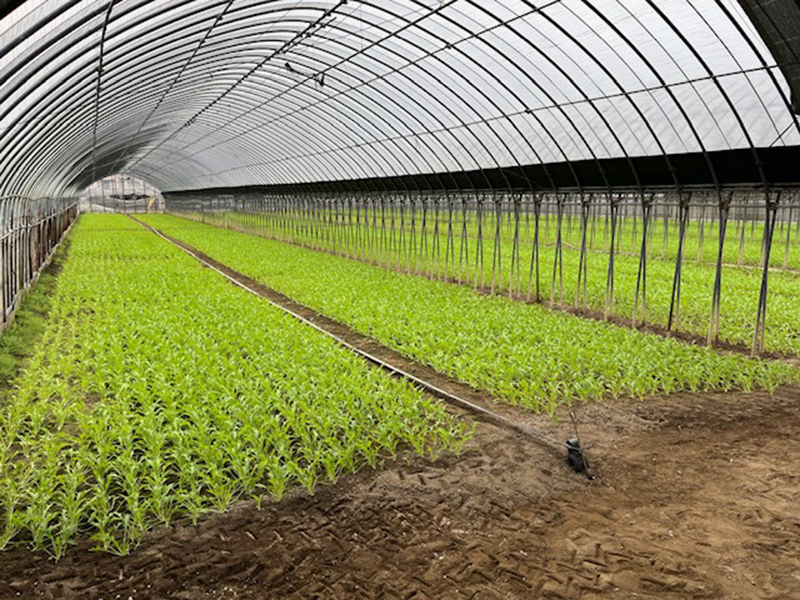
Kaoru grew up on a small farm in southwestern Japan, in the Fukuoka Prefecture (a prefecture is directly below the “nation” in terms of regional organization, but does not hold the same status as a state in the United States of America). Fukuoka is a large island of Japan, and one of the closest to the neighboring South Korea. Kaoru said her farm is neither near the ocean nor a mountain, but somewhere “in the middle.” Kaoru’s father and grandfather grow vegetables, “They are growing spinach, sunny lettuce and rice,” she said. Sunny lettuce is a particular variety of lettuce. Her family has no other occupation than farming. Kaoru would like to eventually own a custom florist shop. She fell in love with flowers when she was in high school. “I like all of them, but my best flower is carnation,” she said, which are often given to moms on Mother’s Day in Japan.
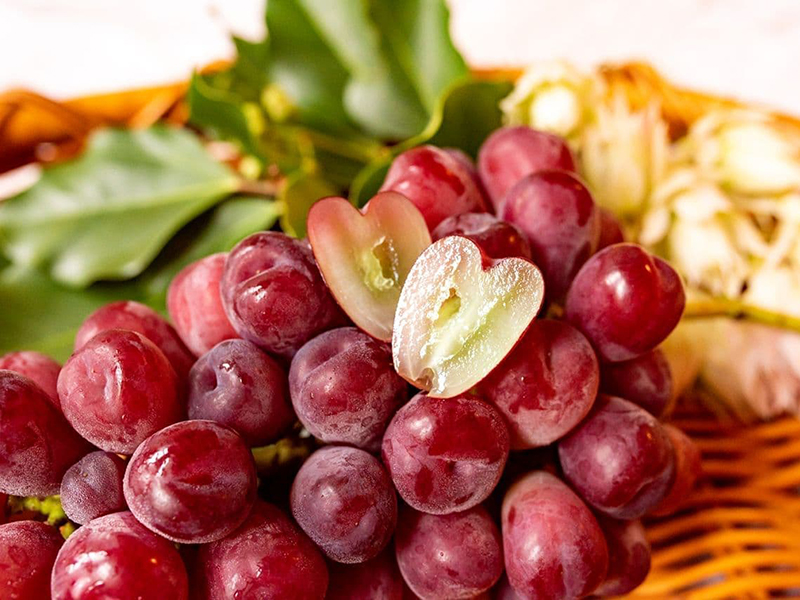
Ryota is also from a rural area of Japan in the Tokushima Prefecture, south of the popular tourist cities of Osaka and Kobe. Although Ryota’s family are not farmers, he has friends that farm carrots. Ryota himself is passionate about grapes and has big dreams for his future. “I want a large piece of land, and to try many, many varieties and many, many kinds of grapes,” he said. By large, he means about 25 hectares, or around 60 acres. In Japan, grapes are grown with incredible care and attention to detail. The process may include early pruning of each grape bunch “shoulders”, the top branches of the bunch, and a dip in gibberellic acid which increases the size of each grape by loosening the tightness of the bunch.
Assisting in the interview, and Kaoru and Ryota’s time in Grant County generally, is Luke Tonnemaker, which you may infer from his surname is part of the Tonnemaker Farm family. He and his family have been hosting JATP trainees for many years now, and is well versed in the similarities and idiosyncrasies between the two countries’ agricultural processes and standards. In terms of grapes, he said, “There’s numerous steps to making the clusters beautiful [in Japan]. But then at the end, they’re huge and beautiful.”
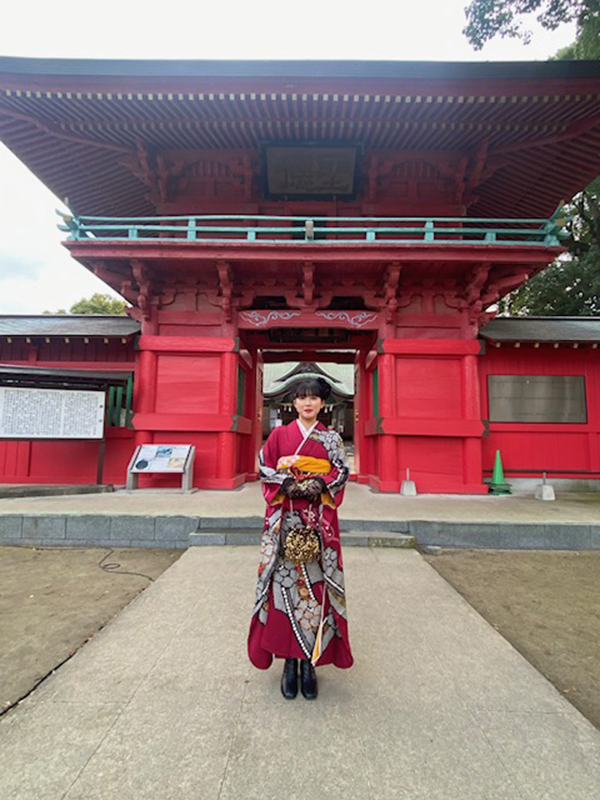
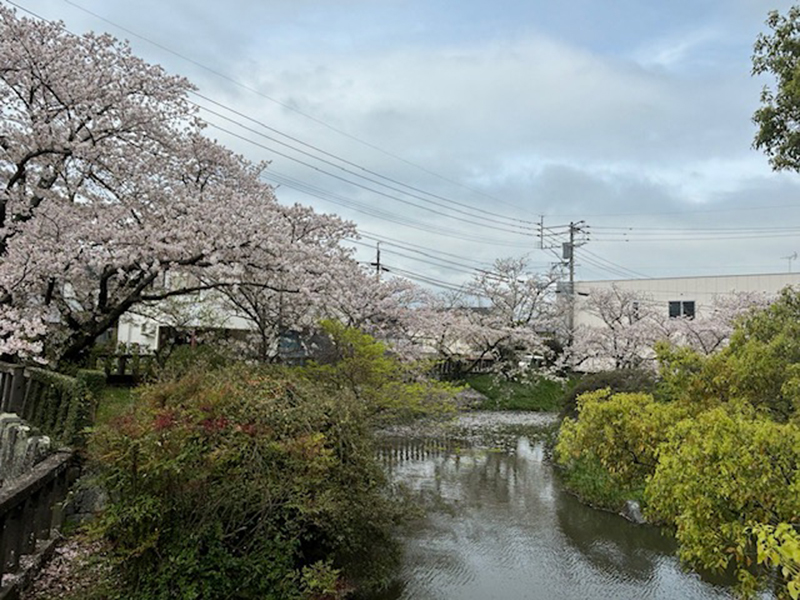
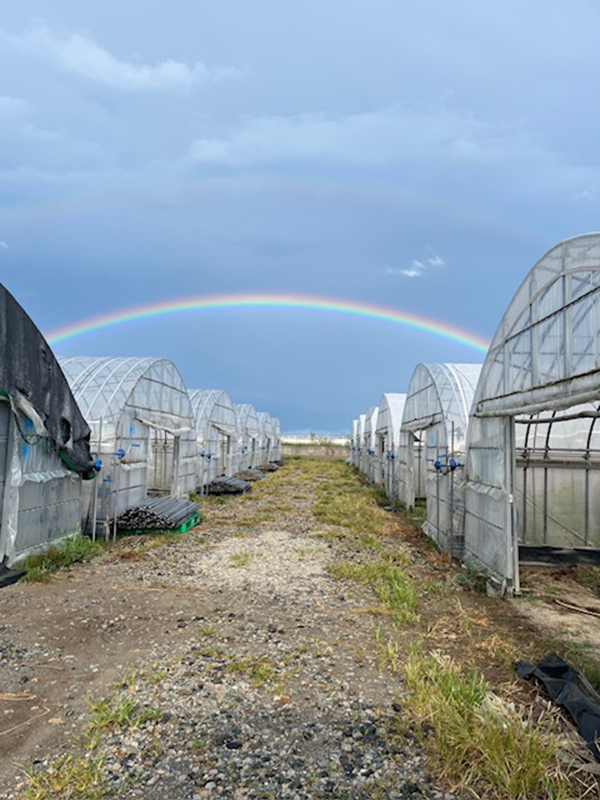
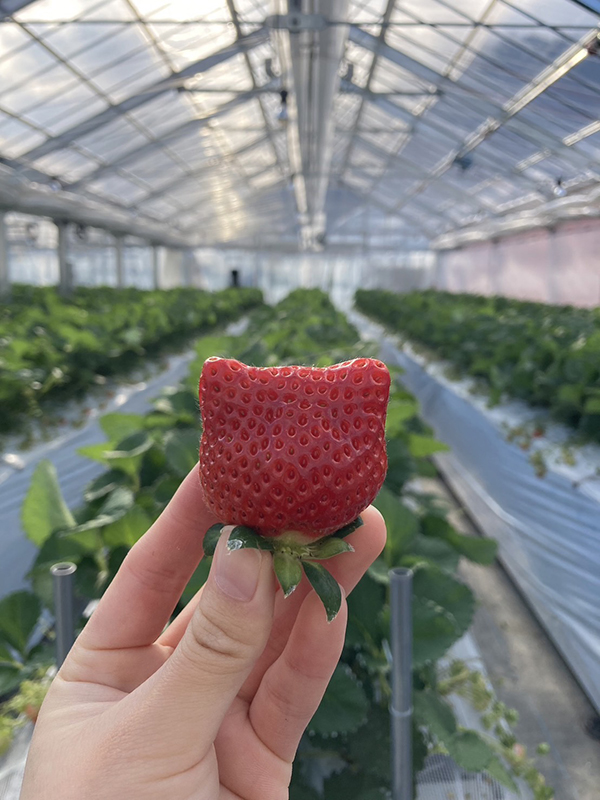
The steps of growing grapes touches on what you might think of as a general juxtaposition between Japan and the State’s agricultural industries. Because, while Tonnemaker Farm uses some state of the art, modern organic farming techniques and has an impressive and well cared for variety of organic apples (90 to be exact) and stone fruits (more than 60, including five different white nectarines), as explained by Kaoru, “The strawberries are grown differently in Japan than in America. In Japan there is maintenance. America has no maintenance. So, it’s different!” Meaning, Luke’s grapes grow well with all the soil amendments and careful watering regimens, etc. that the farm provides… but he’s not going to go in and hand select every flower that will become fruit.
Careful maintenance in Japan results in beautiful, flawless grapes, strawberries and other produce. Much of the most expensive fruit in the world is found there. Japan is also home to some special varieties, including: the Amoua Strawberries, dubbed “the king of strawberries” for their size and flavor, which Kaoru is partial to; and, Ryota’s favorite, the My Heart Grape, which when cut in half are the shape of a heart!
So, while some details of farm life in Grant County will not directly translate to the climate in Japan, the experience is an opportunity to get exposure to cutting edge agricultural practices, a chance to practice the English language, explore the world and, of course, try new food! Ryota is partial to Mexican food, and Kaoru gets excited about American desserts (both the flavors and the portions), and looks forward to trying those white nectarines mentioned earlier.
Thinking of Japan, Ryota misses Japanese sushi and Karaage. “Karaage is fried chicken. And garlic, and soy sauce, and ginger. It’s different… it’s so juicy, fresh and tasty!” he said, and recommends it if you get the chance to travel to Japan, and to not accept any substitutes besides the real deal!
Kaoru, Ryota, Luke, Larry and all the others involved in the JATP are a great examples of how two different places, spaces, people or crops can, if trained and maintained, result in a long history of growing something good. If you stop by the Tonnemaker Hill Farm store, be sure to say, “Hello!” Or, you could try, “Konnichiwa!”
