
Washington State University Cooperative Extension started the first Master Gardener (MG) program in 1973 in the Seattle area to provide assistance with urban horticulture and gardening advice. The program came to Grant County in 1982 and has been active ever since. Currently, there are 20 active Grant-Adams MGs and 6 trainees working on their certification. Their work provides residents in both counties with relevant, unbiased research based horticultural and environmental stewardship materials.
There are a variety of activities MGs are involved with, including: in-person and online plant clinics at farmers markets, fairs, festivals; promoting sustainable gardening practices through a quarterly newsletter, writing articles or being interviewed for podcasts or other news sources; holding gardening workshops; maintaining drought tolerant and native plant demonstration gardens; and, providing plants to the public. The next scheduled MG training begins in the fall of 2026. Contact the Grant-Adams Master Gardeners for any gardening questions or requests for information using our email at: ga.mgvolunteers@wsu.edu.
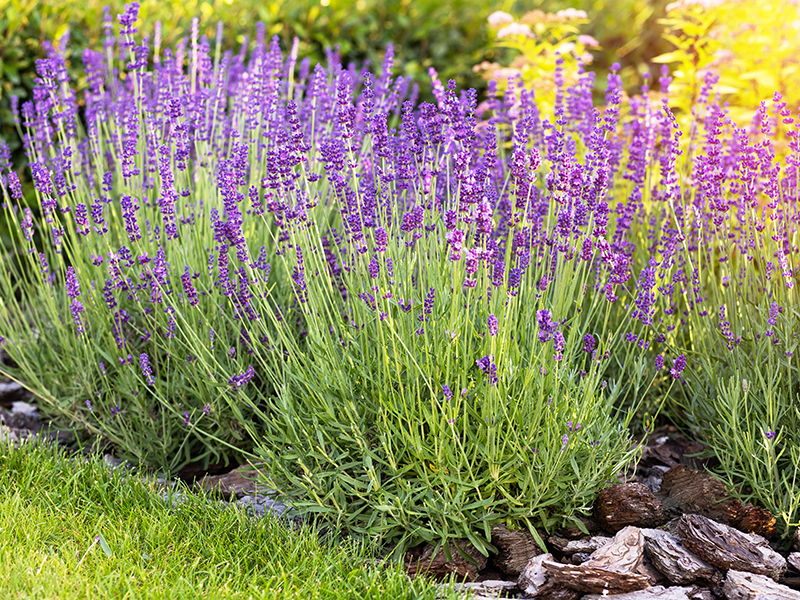
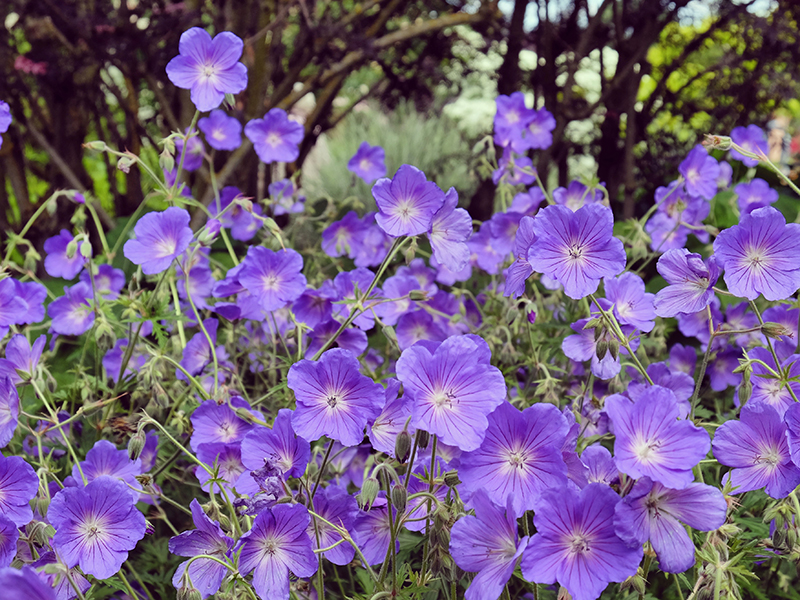
The right picture is a hardy geranium often called Cranesbill; variety is Roseann. The left picture is lavender that has been flourishing in my Othello yard for at least 20 years. Either perennial may be planted in fall or spring. The lavender needs full sun and well-drained soil. The geranium can tolerate a little shade but blooms best with lots of sun. Terry Rice, Master Gardener, Othello
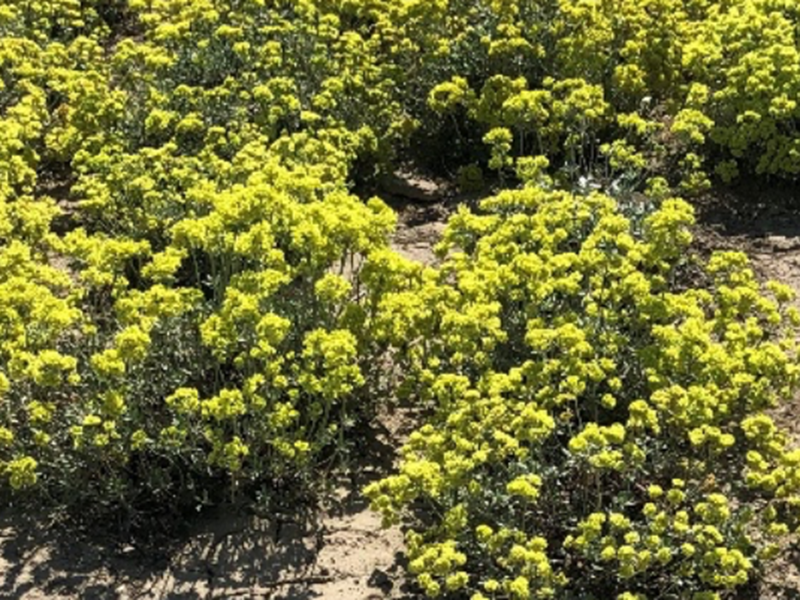
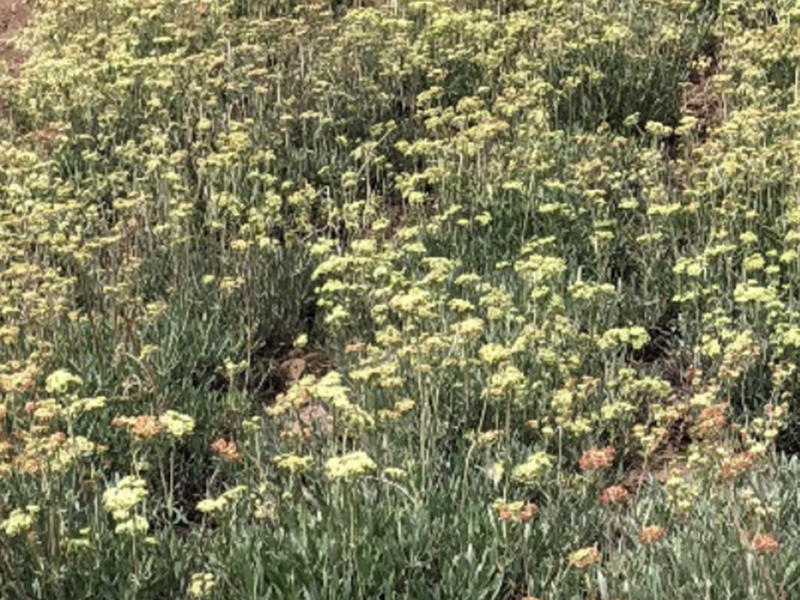
Sulfur buckwheat (left) has a vivid yellow flower. Wyeth’s (right) has a more muted yellow color while
Snow buckwheat’s flowers are white. Some of my favorite plants are perennial native buckwheat varieties including Snow, Wyeth’s and Sulfur. These low growing shrubs are about 18 inches to 2 feet high at most, thrive in full sun, are low water users, and serve as wonderful pollinators. They are typically planted in early spring or late fall and do not require regular irrigation after establishment unless you want to provide some supplemental water. Mark Amara, Master Gardener, Moses Lake